


Dive into the mystique and wonder of Zimbabwe’s Chinhoyi Caves, an incredible network of limestone and dolomite formations, both above and below ground. At the heart of these captivating caves lies the mesmerizing Sleeping Pool, a cobalt blue expanse so deep that its true depths remain a mystery, plunging to at least 91 meters beneath the surface. Locally known as Chiraradziva, or “Place of the Fallen,” this sacred pool is steeped in history, echoing tales of an 1800s tribal massacre where victims were cast into its depths. Today, human remains occasionally brought to the surface by divers serve as somber reminders of the pool’s turbulent past, starkly contrasting its serene beauty. Discover why Chinhoyi Caves are a must-visit attraction in Zimbabwe.
A Brief History of Chinhoyi Caves
Between 1845 and 1890, the Leya and Kore Kore communities made their homes and hunting grounds near the Chinhoyi Caves in northern Zimbabwe’s Chinhoyi District. They utilized the fertile land and abundant water sources for farming crops like millet and raising livestock. The caves offered a strategic advantage, providing both water and protection.
The Chinhoyi Caves held significant political, cultural, and religious importance, including their role in traditional rainmaking ceremonies (mupwerera). Access to the surrounding sacred forests (rambotemwa) required political and religious consent, demonstrating deep-rooted traditional conservation practices for water and forests. These practices began to change with British colonialism in the 1890s.
The Chinhoyi Caves gained international attention in 1888 when explorers like Frederick Selous wrote about them. Italian settlers later displaced the Leya and Kore Kore communities, establishing an agricultural settlement led by Margherito Guidotti. In 1900, the Chinhoyi Caves were officially designated as a national park and quickly became a popular tourist attraction.
Top Attractions at Chinhoyi Caves National Park
The Wonder Hole & Sleeping Pool: A Diver’s Paradise
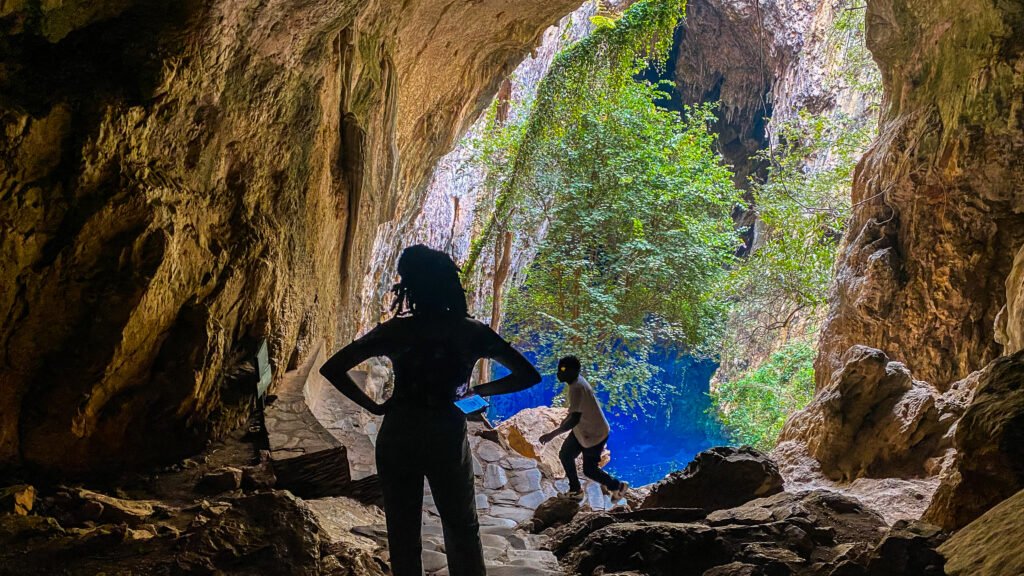
No visit to the Chinhoyi Caves is complete without exploring the Wonder Hole, the crown jewel of this historic marvel. This massive cavern, with its roof dramatically collapsed, allows sunlight to cascade down and illuminate the mesmerizing Sleeping Pool below. Open to divers year-round, the crystal-clear waters of the Sleeping Pool are renowned for their unparalleled visibility, extending up to 50 meters deep. While the park does not provide diving gear, you can easily bring your own or rent from local suppliers. For the adventurous, diving in the Sleeping Pool also grants access to the enigmatic Blind Cave, a hidden gem that remains inaccessible from above ground.
The Dark Cave: A Journey into Mystery
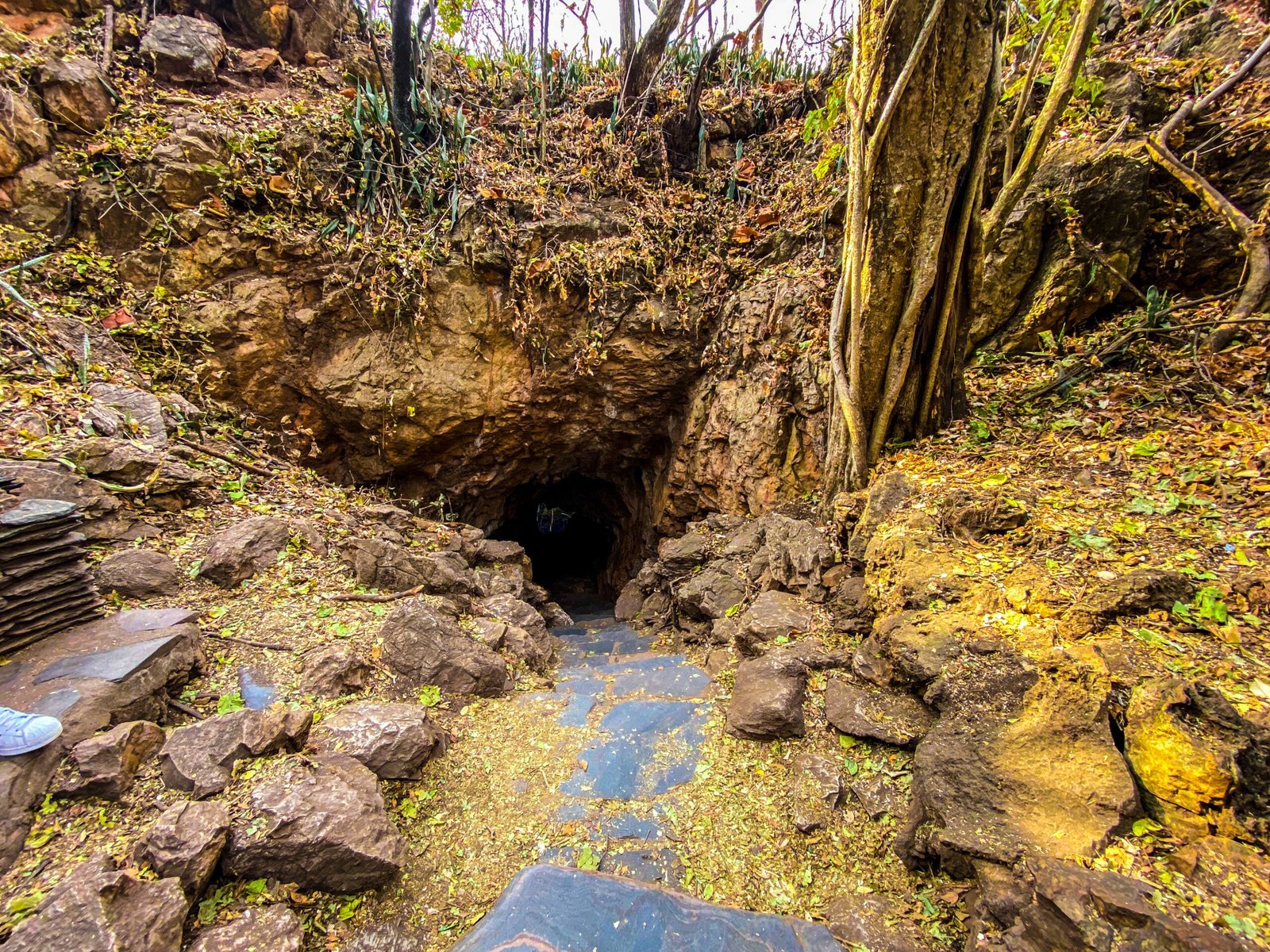
As opposed to the sunlit Sleeping Pool, the aptly named Dark Cave relies on light bulbs and cabling to guide visitors through its intricate cavities. The walk through these cave passages is more challenging than the descent to the Sleeping Pool due to the steepness and limited visibility, which may prove difficult for those less agile. Beyond the steep trek and dim lighting, it’s crucial to be mindful of your words and actions, as the Dark Cave is also a sacred religious site where certain groups gather for ceremonial reasons.
Camping at Chinhoyi Caves
For those looking to immerse themselves in nature, a well-equipped camping ground is available within the park. You can pitch your tents under the stars and enjoy amenities such as hot and cold water for cooking and bathing, along with clean ablution facilities. Please note that you will need to bring your own camping gear as the park does not lease any out. Camping costs $10 per person per night for international visitors and $7 per person per night for locals.
Practical Information for Your Chinhoyi Caves Visit
Planning your trip to Chinhoyi Caves is easy with this essential information:
- Age restrictions: None
- Operating hours: Sunday to Saturday: 8am to 5pm
Chinhoyi Caves Entrance Fees:
- Locals (Adults) – US $5
- Locals (Children) – US $3
- Internationals (SADC) – US $8
- International (outside SADC) – US $10
When to Visit Chinhoyi Caves
The Chinhoyi Caves are open to visitors year-round, with the best time to visit depending on your preferences. We wouldn’t recommend the wet season though, as walking over the rocks can be tricky in slippery conditions. Here’s what to expect during different months:
- June to September: These are the coolest months, marking winter in Zimbabwe. Light clothing that keeps you cool during the day and warm at night is recommended.
- October to February: The hottest months, with rain expected from November to March. Waterproof gear is essential as the rocks along the trail can get slippery.
- March to May: Autumn months with shorter days and longer nights. The weather will start to cool as winter draws nearer.
What to Bring to Chinhoyi Caves
- Clothing: A pair of good sneakers will likely suffice for the trails. However, hiking shoes/boots will provide the safest grip, especially on wet surfaces.
- Food & Water: Note that food is not sold on-site. However, you can bring your own food and use the barbecue/braai stands in the picnic area. Food can be purchased at supermarkets and grocery stores in Chinhoyi, 9 km (5.6 miles) from the park.
How to Get to Chinhoyi Caves from Harare
The best way to get to Chinhoyi Caves is to fly into Robert Gabriel Mugabe International Airport in Harare. From there, you can rent a car to travel the 126 km trip along the A1. The stretch between Harare and Chinhoyi isn’t perfect, with a number of potholes along the way, so your dedicated driver will need to be alert. We recommend traveling in clear conditions as it’ll be much easier to maneuver. Despite the road conditions, you won’t need a 4×4 or high clearance vehicle for this trip; a hatchback or sedan can get you there safe and sound. (I’ve traveled there twice, once in a Honda Jazz (Fit) and the second time in a Toyota Yaris (Vitz), so yeah, been there, done that.)
As for fuel, some fuel stations accept Visa or MasterCard, but carrying cash is advisable. There is one tollgate between Harare and Chinhoyi with a fare of US $4 for light motor vehicles.
General Information for Travelers to Zimbabwe
- Language: Zimbabwe officially boasts 10 official languages, with English being the primary language for education and business. The caves are in the Mashonaland West province, mainly inhabited by Shona tribesmen. Therefore, a grasp of either English or Shona should be enough to get by.
- Currency: Zimbabwe uses a multi-currency system, meaning most major world currencies are accepted for business, alongside Zimbabwe’s own currency, the Zimbabwe Gold (ZiG). However, the most widely used is the United States dollar. We recommend purchasing US dollars for ease of transaction, especially for informal purchases.
- Credit cards: Most formal businesses accept Visa and MasterCard. However, since a significant portion of business is informal, it would be wise to carry some petty cash.
- Electrical Sockets: Zimbabwe has two associated plug types, D and G. Plug type D has three round pins in a triangular pattern, while plug type G has three rectangular pins in a triangular pattern. Zimbabwe uses an electricity supply of 240 V/ 50 Hz. We recommend checking your appliances for compatibility before embarking on your journey.
- Keep left: In Zimbabwe, traffic drives on the left-hand side of the road.
A Few Parting Words
Exploring the Chinhoyi Caves is a journey through natural beauty, rich history, and thrilling adventure. From the enchanting Sleeping Pool with its crystal-clear waters to the eerie depths of the Dark Cave, each aspect of this site offers something unique and memorable. Whether you’re an avid diver, a history enthusiast, or simply looking for a serene spot to enjoy nature, the Chinhoyi Caves provide a rich tapestry of experiences. With its year-round accessibility, fascinating cultural backdrop, and practical amenities, this destination is a must-visit on your Zimbabwean itinerary. So pack your bags, lace up your hiking boots, and get ready to uncover the secrets and splendor of the Chinhoyi Caves. Happy exploring!

Pingback: Domboshava, Zimbabwe: A Day Trip of Nature, History & Magic